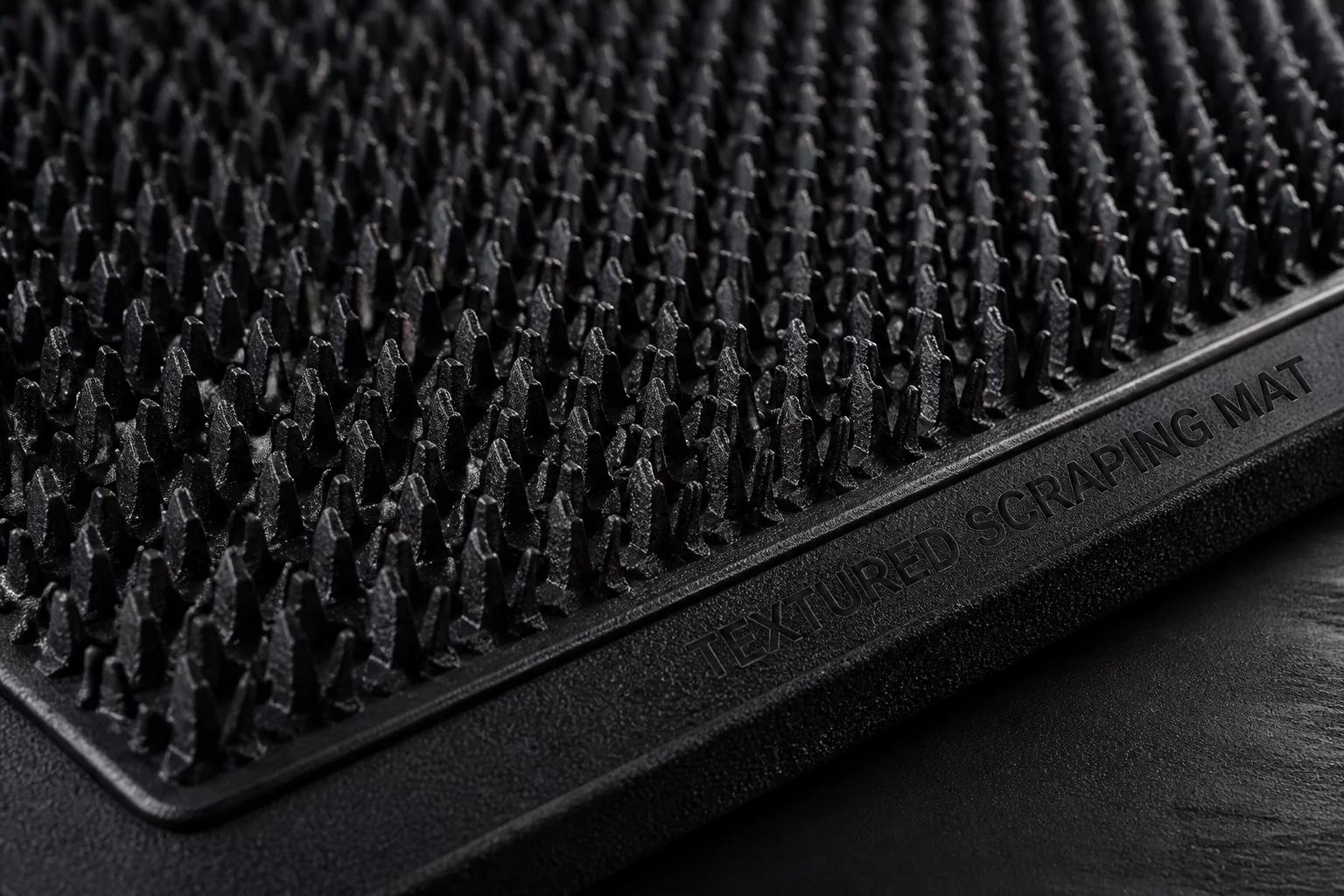
High-density entrance protection begins right at the doorway. A Textured Scraping Mat features coarse multi-directional ridges designed to dislodge stubborn soil, gravel, and packed mud from deep within shoe treads. Unlike flat fabrics that allow dirt to smear across the surface, structured channels keep loose particles contained below foot level until routine cleaning.
Key Principles for Maximum Mat Longevity
Durability depends on material resilience and proper environmental placement. Heavy vulcanized bases prevent curling edges, while reinforced scraping nodules withstand heavy daily foot traffic. To prevent premature wear, maintain adequate airflow underneath the mat and avoid leaving it submerged in standing water for extended periods during thaw cycles.
Expert Tip
Positioning a coarse textured scraping mat right outside, paired with a moisture-absorbing microfiber runner directly inside the entryway, captures over ninety percent of outdoor contaminants before they contact hardwood or tile.
Step-by-Step Maintenance Protocol
Routine maintenance requires minimal effort yet extends service life significantly. Perform a firm shake-out weekly to dislodge trapped gravel and dry dust. For stuck-on mud or winter salt crusts, apply a standard garden hose rinse at moderate pressure and scrub lightly with a stiff bristle brush using mild soapy water.
- Regular dry vacuuming prevents deeply embedded abrasive grit.
- Avoid saturated hose rinsing on natural coir backings to preserve natural fibers.
- Keep under sheltered porch overhangs during freezing rain conditions.
Seasonal Storage & Floor Protection
When transitioning between seasons or storing spare mats, roll the product loosely with the scraping surface facing outward to prevent creasing. Always ensure the subfloor beneath the mat is completely dry before placing it back in service to protect delicate porch coatings and entryway stone from trapped moisture discoloration.
This could be your first comment. Share your experience or questions below!